

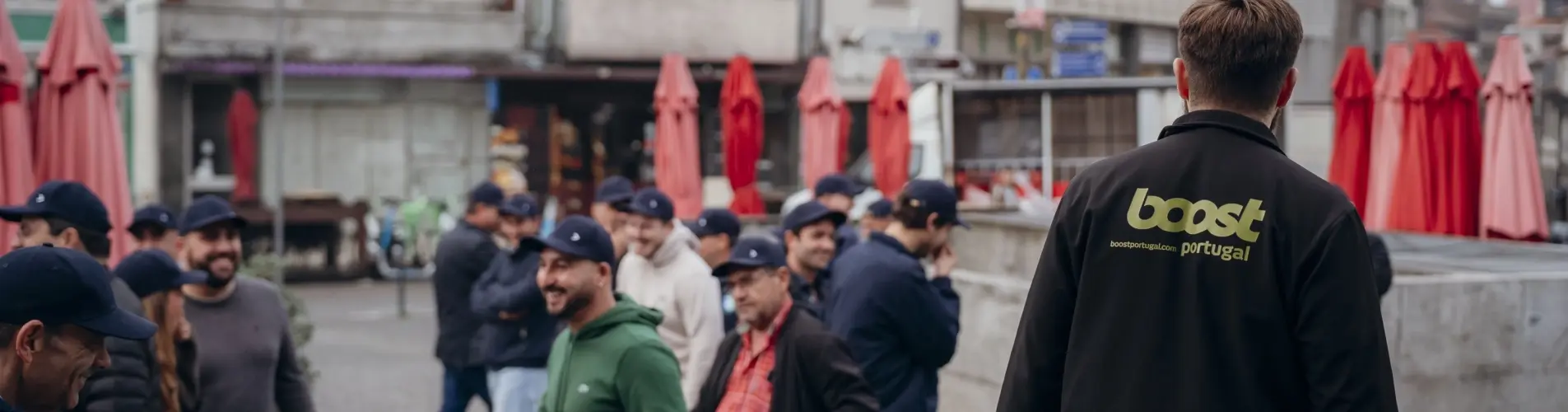
Escolher atividades de team building em Lisboa e Porto deixou de ser uma decisão logística: tornou-se uma decisão estratégica e as empresas que ainda não perceberam isso estão a perder uma oportunidade real de trabalhar a cultura de equipa em contexto.
Lisboa e Porto têm algo que poucas cidades europeias conseguem oferecer: uma densidade cultural e urbana que transforma qualquer atividade num cenário com vida própria. A cidade não é pano de fundo, faz parte da experiência.
Porque é que o team building funciona e porque falha quando não é bem desenhado
A pergunta que os melhores responsáveis de RH fazem antes de contratar qualquer atividade não é “o que vamos fazer?” mas sim “o que queremos que mude depois?”.
A investigação em psicologia organizacional é clara: experiências partilhadas fora do ambiente de trabalho habitual criam laços de confiança que reuniões e workshops raramente conseguem. Quando uma equipa enfrenta um desafio novo em conjunto, com pressão real e sem os papéis do dia a dia, aprende coisas sobre si própria que não encontraria de outra forma.
O problema é que a maioria dos team buildings falha exatamente aqui: uma atividade competitiva numa equipa com tensões não resolvidas pode piorar as coisas; um formato de aventura para um grupo que precisa de se conhecer cria adrenalina sem relação… Escolher bem implica perceber a equipa antes de escolher o programa.

Porque é que Lisboa e Porto funcionam tão bem
As duas cidades têm personalidades distintas e isso importa para o desenho da experiência.
Lisboa é mais dispersa, mais cosmopolita, com bairros que parecem cidades dentro da cidade. Belém e Alfama têm energias completamente diferentes, e isso permite criar programas com contrastes reais dentro do mesmo dia. Para grupos internacionais, é uma cidade que continua a surpreender mesmo quem já visitou.
O Porto é mais compacto e mais imediato. A ligação ao rio, o granito, a escala humana das ruas - tudo isso cria uma experiência mais intensa e concentrada. Os grupos que vêm a Portugal pela primeira vez saem do Porto com uma impressão muito mais forte do que esperavam.
Em ambos os casos, o que torna as cidades valiosas para team building é a mesma coisa: a novidade ativa atenção, e atenção cria memória. Uma experiência numa cidade que as pessoas não conhecem bem fica gravada de forma diferente e bem mais presente do que o mesmo programa num hotel de conferências.
Experiências urbanas: a cidade como motor da atividade
Os formatos urbanos interativos são dos mais procurados e percebe-se porquê: colocam a equipa em movimento, em contexto real, sem guião fixo. As pessoas tomam decisões, resolvem problemas, negoceiam entre si. Tudo isto acontece naturalmente, sem que ninguém sinta que está a ser testado.
Há também uma vantagem de inclusão que vale a pena sublinhar: estes formatos não exigem condição física acima da média nem competências específicas. Funcionam para equipas de 25 como para grupos de 300.
Atividades de team building em Lisboa e Porto: o que funciona na prática
Geocode Sightseeing Hunt - As equipas exploram a cidade através de pistas, desafios e missões em tempo real. Cada grupo gere o seu ritmo, toma decisões em conjunto e descobre zonas que provavelmente nunca teria visitado. É uma das atividades com maior taxa de envolvimento do início ao fim e aquele formato de jogo que elimina a resistência habitual.
Tuk Tuk Challenge - Mobilidade, surpresa e competição amigável. As equipas percorrem a cidade em tuk tuks com desafios ao longo do caminho. O ritmo é mais rápido e o fator visual é forte: é uma atividade que as pessoas fotografam e contam.
TaskMaster - Desafios criativos com objetos do quotidiano, sem regras óbvias. Revela muito sobre como cada pessoa resolve problemas e quem dentro da equipa lidera quando não há um cargo à frente do nome.
Workshop Pintura de Azulejos - Um registo completamente diferente. Cada participante trabalha o azulejo num ambiente calmo, com vinho à mão, num ritmo que convida à conversa. Para grupos que passam demasiado tempo em salas de reunião, é um reset. Para equipas internacionais, é contacto real com a cultura portuguesa.
Workshop Pastel de Nata - Cozinha, competição suave e muito humor. O chef avalia no final – e toda a gente fica surpreendida com o que conseguiu (ou não) fazer. Funciona especialmente bem como momento de encerramento de um dia de programa mais intenso.
Portugal Urban Olympics - Para grupos grandes que precisam de energia e estrutura em simultâneo. Jogos e desafios em formato de competição, com rotação entre grupos. Mantém o envolvimento de 50 a 400 pessoas sem perder o fio à meada.
Grupos grandes: o problema real e como se resolve
Organizar um team building para 150 ou 300 pessoas é um desafio de outro nível. O que parece funcionar no papel - uma única atividade para toda a gente ao mesmo tempo - raramente funciona na prática. A energia dispersa-se, as pessoas ficam à espera, e o que devia ser experiência coletiva vira espetáculo.
A abordagem que funciona é a que divide o grupo em módulos com dinâmica própria e cria momentos de convergência ao longo do dia. Cada subgrupo tem uma experiência completa; o grupo todo tem uma narrativa comum.
Na Boost Events trabalhamos regularmente com grupos entre 100 e 2.000 pessoas. Esta é uma escala que a maioria dos fornecedores não consegue gerir com qualidade e é exatamente aí que a diferença operacional se sente.
Atividades criativas e culturais: quando abrandar é a escolha certa
Nem todos os team buildings precisam de adrenalina. Há equipas que precisam do oposto: um contexto onde a conversa acontece naturalmente, sem agenda, sem apresentações.
Atividades criativas criam esse contexto de forma quase automática. Quando alguém está a pintar um azulejo ou a fazer um pastel de nata, as defesas profissionais baixam. A conversa flui. As pessoas revelam-se de formas que o ambiente de escritório nunca permitiria.
Para grupos internacionais ou multiculturais, a dimensão cultural das atividades acrescenta ainda outra camada: a da sensação de ter conhecido Portugal de verdade, não apenas de ter passado por Lisboa.
Antes de escolher, as perguntas que fazem a diferença
Antes de qualquer decisão sobre atividades, vale a pena responder a estas perguntas:
- O que queremos que a equipa sinta no final - energia, ligação, orgulho, leveza?
- Há dinâmicas internas que a atividade pode ajudar ou, pelo contrário, agravar?
- Qual o perfil do grupo - idades, mobilidade, diversidade cultural?
- É um momento de celebração, de integração ou de reset após um período difícil?
- Quanto tempo temos e onde vai acontecer?
Estas perguntas parecem óbvias. Na prática, metade dos problemas em team building vêm de as ignorar.
Perguntas frequentes
Quais são as melhores atividades de team building em Lisboa e Porto?
Porque é que Lisboa e Porto são bons destinos para team building corporativo?
Como se organiza team building para grandes grupos em Lisboa ou no Porto?
Existem atividades de team building adequadas para grupos internacionais em Lisboa?
Como escolher a atividade de team building certa para a minha equipa?
Pronto para criar uma experiência de team building em Lisboa ou no Porto?
Na Boost Events desenhamos programas adaptados ao perfil e objetivos de cada equipa, desde grupos de 20 a eventos com 2.000 participantes. Mais de 14 anos de experiência e mais de 300 programas em Lisboa e Porto.
Fala connosco e conta-nos o que precisas. O resto tratamos nós!


